 Immerse
The window is open. Right now.
Every month between ages 3–7 is disproportionately valuable. The research is unambiguous about what happens when that period is used — and what's lost when it isn't.
Teachers speak only the target language during structured blocks. No translation crutch — comprehension builds through context, gesture, and repetition.
Children acquire language fastest through play. Peer interaction in mixed-language groups creates the natural pressure that drives fluency.
Ages 2–7 are neurologically optimal for phonemic acquisition. We don't supplement — we saturate. Every hour counts before the window narrows.
Weekly language guides, audio resources, and coaching sessions keep immersion active at home — not just in the classroom.
Immersion vs. Traditional Preschool
Six peer-reviewed metrics. One clear pattern.
| Metric | Immerse IMMERSION METHOD | Traditional PreschoolSTANDARD METHOD |
|---|---|---|
Vocabulary Retention at Age 5Active vocabulary in each language measured at kindergarten entry— Bialystok et al., 2012 | 1,200+ words across 2 languages Score92% | 800–900 words in English only Score61% |
Native-Accent AcquisitionPhonemic accuracy rated by native speaker panels— Kuhl, 2010 — Critical Period Hypothesis | Native-equivalent by age 4 Score96% | Foreign accent after age 7 Score22% |
Code-Switching AbilityFluid language switching in social contexts without prompting— Genesee, 2009 | Spontaneous, context-aware Score88% | Not developed Score5% |
Kindergarten Readiness ScoreComposite score across literacy, numeracy, and social-emotional metrics— Lindholm-Leary, 2014 | 94th percentile average Score94% | 61st percentile average Score61% |
Executive Function (Ages 3–5)Working memory, cognitive flexibility, inhibitory control— Carlson & Meltzoff, 2008 | +28% vs. monolingual peers Score85% | Baseline Score57% |
Social Confidence in Mixed GroupsComfort and initiative in multilingual peer settings— Thomas & Collier, 2002 | High — cross-cultural fluency Score91% | Moderate — monolingual context only Score54% |
| Sources: peer-reviewed longitudinal studies, 2002–2014 | Consistently outperforms | Industry average |
The data above reflects 20+ years of longitudinal research in dual-language education.
Immerse's curriculum was developed with advisors from Stanford's Language Learning Lab and UC Berkeley's Bilingualism Research Group.
Reserve Your
Family's Visit
45 minutes. A guided tour of the classroom, a live language demonstration with current students, and a Q&A with our lead educators. Saturday mornings, by reservation.
Available Tracks
Open House Registration
Free · No commitment
The hero emerged changed.
Five-year-old graduates reading aloud in two languages. Parents who came with anxiety and left with proof.
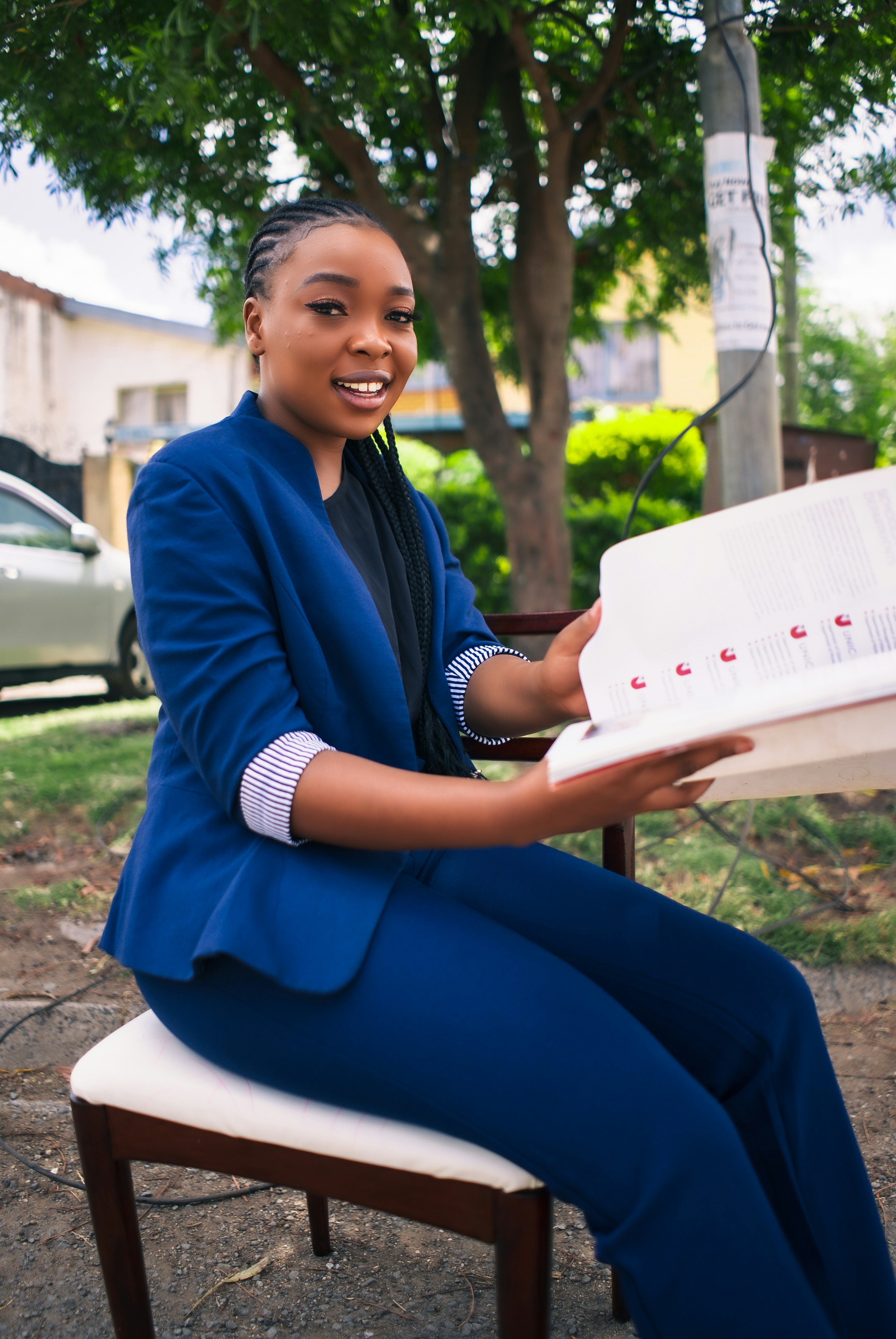
"Our daughter switched between Mandarin and English mid-sentence at the dinner table six weeks in. We weren't prepared for how natural it was — like she'd always had two voices."
Arjun & Meera Venkataraman
Software Engineer + Research Scientist, Stanford

"I grew up bilingual and lost it. Watching our son carry Spanish with confidence — not as homework but as part of who he is — that's what we came here for."
Marcus & Claudia Okafor-Reyes
Attorney + Product Manager
"The dual track was a gamble — we worried it would confuse him. Instead, he's reading simple sentences in both Mandarin and Spanish. His kindergarten teacher called it "remarkable.""
Wei & Jennifer Zhang
ML Engineer + Pediatrician
Take the curriculum home first.
Our 24-page Curriculum Map details exactly what your child will learn each month, how we measure progress, and how you can support immersion at home — without speaking the language yourself.
Download the Curriculum Map
24-page document detailing our daily immersion schedule, language acquisition milestones, and parent partnership framework.